Also known as Sober Houses, Sober Living Houses (SLHs), Sober Living Homes, or Sober Living Environments. A coordinated network of community based services that involve a strengths-based and personalized approach to recovery and increases in quality of life. Health care services that are clinically indicated for the diagnosis and/or treatment of a medical or behavioral health condition. Reoccurring dreams that occur during https://www.zoospravka.ru/zooadresa.htm?id=3337&cat=3&subcat=30&subsubcat=0 the recovery process from substance use disorder that concern depictions of substance use, often vivid in nature, and frequently involving a relapse scenario. These dreams decrease in frequency with time in recovery from substance use disorder. (stigma alert) Drug can mean either a “medication” or a “non-medically used psychoactive substance.” The term drug has a stigma alert due to the ambiguity of the term.
- One common mistake for those who are new to alcohol and drug recovery is substituting a new compulsive behavior for their old one.
- It’s normal to begin cleaning up that damage in early recovery, whether it’s completing jail sentences and probation, apologizing to loved ones, or living down a bad reputation.
- Many advocate instead to use “medication” or “non-medically used psychoactive substances” to decrease stigma and communicate with greater specificity.
- Document describing affordable housing considerations that should be made when planning for recovery.
- Aftercare can take the form of inpatient rehab or intensive outpatient rehab services.
Short for “detoxification,” it is the medical process focused on treating the physical effects of withdrawal from substance use and comfortably achieving metabolic stabilization; a prelude to longer-term treatment and recovery. (stigma alert) Immoderate emotional or psychological reliance on a partner. Often used with regard to a partner requiring support due to an illness or disease (e.g. substance use disorder). One common mistake for those who are new to alcohol and drug recovery is substituting a new compulsive behavior for their old one. People new to recovery can find themselves approaching their new diet, exercise program, job, and even participation in support groups with a compulsion that echoes addiction. Cultural competence describes the ability of an individual or organization to interact effectively with people of different cultures.
Search the Full Recovery Management Toolkit
It is estimated that up to 80% of those who find long-term sobriety had at least one relapse along the way. Some people experience many setbacks before they find lasting recovery. Your intentions may be good, but it takes more than willpower to avoid having a relapse. It won’t just be a case of halting the destructive behavior; change will be apparent in multiple aspects of their lifestyle.

It outlines the 12 steps and 12 traditions that are at the core of the Narcotics Anonymous program, as well as containing personal stories of active addiction and recovery. In the addiction field, it is closely linked with the concept of confidentiality because people typically prefer not to have their name or addiction status known due to potential stigma and https://roddom4-kaliningrad.ru/drugoe/oteki-konechnostej-prichiny.html discrimination. The assurance of anonymity can help with help-seeking, as individuals are more inclined to seek help for a stigmatized condition like substance use disorder if they know such help-seeking will be kept completely private. Any action by a health plan that denies or limits payment for the requested behavioral or medical treatment and services.
Build a support system
These experiences can lead to increased family stress, guilt, shame, anger, fear, anxiety, loss, grief, and isolation. The concept of resilience in recovery is also vital for family members http://www.sudmed.ru/index.php?showtopic=8300 who need access to intentional supports that promote their health and well-being. The support of peers and friends is also crucial in engaging and supporting individuals in recovery.
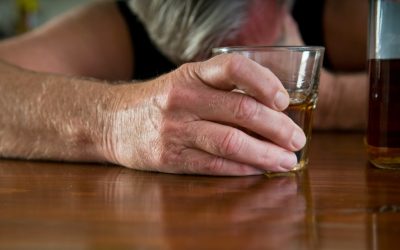
Although 71% reported alcohol as their primary substance, all but one participant had been polysubstance users. It is also important to recognize that there is no shame in asking for help. If a person refuses to ask for help when they need it, they are more likely to relapse.
Long-Term Effects on the Brain
Imbalances in key neurotransmitters and neurotransmission can create cravings and mood instability. Originally, narcotic referred to psychoactive compounds with sleep inducing properties (typically opioids such as heroin). In moderate doses, narcotics will dull the senses, relieve pain, and induce sleep. An evidence-based treatment developed in the 1980s based on Cognitive Behavioral Therapy (CBT) and Motivational Interviewing/Motivational Enhancement Therapy (MI/MET).



Jun 6 2022
A Life More Ordinary Processes of 5-Year Recovery From Substance Abuse Experiences of 30 Recovered Service Users
Content
Also known as Sober Houses, Sober Living Houses (SLHs), Sober Living Homes, or Sober Living Environments. A coordinated network of community based services that involve a strengths-based and personalized approach to recovery and increases in quality of life. Health care services that are clinically indicated for the diagnosis and/or treatment of a medical or behavioral health condition. Reoccurring dreams that occur during https://www.zoospravka.ru/zooadresa.htm?id=3337&cat=3&subcat=30&subsubcat=0 the recovery process from substance use disorder that concern depictions of substance use, often vivid in nature, and frequently involving a relapse scenario. These dreams decrease in frequency with time in recovery from substance use disorder. (stigma alert) Drug can mean either a “medication” or a “non-medically used psychoactive substance.” The term drug has a stigma alert due to the ambiguity of the term.
Short for “detoxification,” it is the medical process focused on treating the physical effects of withdrawal from substance use and comfortably achieving metabolic stabilization; a prelude to longer-term treatment and recovery. (stigma alert) Immoderate emotional or psychological reliance on a partner. Often used with regard to a partner requiring support due to an illness or disease (e.g. substance use disorder). One common mistake for those who are new to alcohol and drug recovery is substituting a new compulsive behavior for their old one. People new to recovery can find themselves approaching their new diet, exercise program, job, and even participation in support groups with a compulsion that echoes addiction. Cultural competence describes the ability of an individual or organization to interact effectively with people of different cultures.
Search the Full Recovery Management Toolkit
It is estimated that up to 80% of those who find long-term sobriety had at least one relapse along the way. Some people experience many setbacks before they find lasting recovery. Your intentions may be good, but it takes more than willpower to avoid having a relapse. It won’t just be a case of halting the destructive behavior; change will be apparent in multiple aspects of their lifestyle.
It outlines the 12 steps and 12 traditions that are at the core of the Narcotics Anonymous program, as well as containing personal stories of active addiction and recovery. In the addiction field, it is closely linked with the concept of confidentiality because people typically prefer not to have their name or addiction status known due to potential stigma and https://roddom4-kaliningrad.ru/drugoe/oteki-konechnostej-prichiny.html discrimination. The assurance of anonymity can help with help-seeking, as individuals are more inclined to seek help for a stigmatized condition like substance use disorder if they know such help-seeking will be kept completely private. Any action by a health plan that denies or limits payment for the requested behavioral or medical treatment and services.
Build a support system
These experiences can lead to increased family stress, guilt, shame, anger, fear, anxiety, loss, grief, and isolation. The concept of resilience in recovery is also vital for family members http://www.sudmed.ru/index.php?showtopic=8300 who need access to intentional supports that promote their health and well-being. The support of peers and friends is also crucial in engaging and supporting individuals in recovery.
Although 71% reported alcohol as their primary substance, all but one participant had been polysubstance users. It is also important to recognize that there is no shame in asking for help. If a person refuses to ask for help when they need it, they are more likely to relapse.
Long-Term Effects on the Brain
Imbalances in key neurotransmitters and neurotransmission can create cravings and mood instability. Originally, narcotic referred to psychoactive compounds with sleep inducing properties (typically opioids such as heroin). In moderate doses, narcotics will dull the senses, relieve pain, and induce sleep. An evidence-based treatment developed in the 1980s based on Cognitive Behavioral Therapy (CBT) and Motivational Interviewing/Motivational Enhancement Therapy (MI/MET).
By root • Sober living • 0